Millennials, Moderation, and the Rise of Hemp Drinks

Across U.S. legal markets, the cannabis beverage category is still small but rising quickly, and its early adopters cluster around Millennials and health-minded Gen Xers, with a noticeable skew toward women. Industry data shows women over 25 disproportionately choose cannabis drinks compared with their overall cannabis spending, and Gen X also shows higher engagement with beverages. These signals suggest that moderation-minded adults seeking a familiar “drink occasion” are leading the charge.

Within the broader “no/low” alcohol movement that hemp and CBD drinks often align with, Millennials stand at the forefront. Studies indicate Millennials have rapidly become the dominant group of no-alcohol buyers—accounting for a majority of sales in categories like no-alcohol beer, wine, and spirits. That same behavior translates directly into functional and hemp-derived beverages, where moderation and wellness trends overlap.

Category-specific sales insights point to similar conclusions. Millennials represent the largest share of cannabis beverage purchases, while Gen Z’s participation remains smaller, largely because fewer consumers in this group have reached legal purchase age. As the category grows, younger consumers are expected to adopt these products at higher rates, but for now, the primary drivers remain Millennials and younger Gen X.

Several factors explain why these groups are embracing hemp drinks so strongly. First, the wellness trend plays a central role. Research shows consumers are increasingly drawn to “functional” beverages—products that promise benefits like stress relief, focus, better sleep, and gut health, often with natural or clean-label ingredients. Hemp and CBD beverages fit neatly into this space, offering a format that feels familiar, sessionable, and approachable. For consumers who want to wind down without alcohol, hemp beverages provide an easy swap.

Second, the growing moderation mindset influences behavior. Reports on no/low alcohol trends reveal that this space is recruiting new buyers faster than low-alcohol categories alone, showing that consumers are actively experimenting with alternatives. Hemp beverages often enter social settings where alcohol once dominated, making them a natural choice for people seeking balance without sacrificing the experience of “having a drink.”

Third, familiarity with cannabis lowers the barrier to adoption. Many hemp-derived beverage consumers already use cannabis in some form, particularly CBD products, which makes them more comfortable exploring a drinkable option. These consumers understand cannabinoids, dosing, and effects, so hemp beverages feel like a natural extension of their routines.

Age dynamics also shape the landscape. National polling consistently shows cannabis use is markedly higher among adults under 50 compared with older demographics. This trend explains why Millennials and younger Gen X are driving early adoption of innovative cannabis formats like beverages.

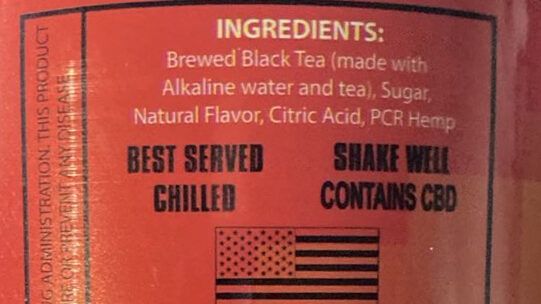
Together, these insights paint a clear picture: the typical hemp beverage consumer is Millennial or Gen X, slightly more female than the cannabis average, and likely urban or suburban. They care about sugar, calories, and functional ingredients, and they toggle between alcohol, no/low, and cannabinoid beverages depending on the moment. Predictable onset and offset, social acceptability, and flavor variety all matter. For brands and retailers, winning with this demographic requires clear dosing, transparent ingredients, and smart placement alongside functional and no/low alternatives.

Sources: