
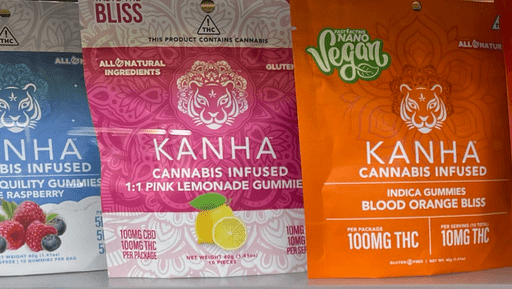
In the growing cannabis and hemp marketplace, white label products have become a fast way for brands to launch without building full production facilities. Gummies, tinctures, and vape cartridges have long been the backbone of white label programs. Hemp beverages, however, are newer to the scene. The question is, do they compete with these established formats in terms of popularity and sales?
The Appeal and Challenges of Hemp Beverages
Hemp-infused beverages bring some clear advantages. They are familiar, consumable, and fit easily into the wellness and functional drink trends that focus on relaxation, focus, or better sleep. Market research valued the global CBD beverages segment at USD 4.5 billion in 2024, with forecasts projecting over 24% annual growth through 2031. The broader cannabis beverage market could rise from about $3.6 billion in 2024 to nearly $54 billion by 2033. Clearly, beverages have strong growth potential.
From a manufacturing perspective, co-packing companies now specialize in hemp shots and drinks, offering brands turnkey compliance, small-batch runs, and custom formulations. This helps with one of the toughest aspects of hemp beverages: consistency. Beverages must maintain accurate dosage, stable emulsions, appealing flavors, and compliant labels.
Still, these products face more complexity than gummies or tinctures. Cannabinoid dispersion, flavor masking, shelf-life, and distribution challenges all add cost and risk. State-by-state regulations around THC levels also complicate national scaling.
Do Hemp Beverages Sell as Well as Other Products?
Despite rapid growth, hemp beverages still lag behind more established white label categories. Gummies and edibles remain staples because they are easy to manufacture, widely accepted, and relatively straightforward to regulate. Many white label manufacturers list oils, capsules, gummies, and topicals before beverages, showing where the demand has historically been strongest.
That said, consumer trends are beginning to shift. Functional, non-alcoholic drinks are one of the fastest-growing sectors in health and wellness. CBD and hemp seltzers, teas, and tonics have been described as “winners” among cannabis-adjacent categories because drinks are consumed more regularly than edibles, often creating repeat purchase habits. Subscription and daily-use models give beverages a long-term advantage over one-off formats like topicals or tinctures.
Brands such as Mirth Provisions, known for its cannabis-infused “Legal” beverages, demonstrate the potential. Even so, cannabis beverages have historically accounted for only 1.5–4% of total market share. That figure shows how much room the category still has to grow compared to more entrenched product types.
Comparable Potential, But More Hurdles
Hemp beverages offer high upside, but they are not yet as popular or easy to launch as gummies, tinctures, or vapes. They demand more technical skill, carry regulatory hurdles, and require careful logistics. But consumer interest in healthier, non-alcoholic alternatives suggests beverages could close the gap over time.
For brands, hemp beverages are a high-growth but high-risk play. Those who can navigate formulation, compliance, and distribution may find themselves in a rapidly expanding market with significant long-term rewards.